I Did Everything My Doctor Told Me for Three Years. My A1c Went Up Anyway. Then a 20-Year-Old Apple Pie Study Explained Why.
I cut the carbs. I walked after every dinner. I took the pill on time. I wrote down every bite for 90 days to prove I wasn’t cheating. The number still wouldn’t budge. It wasn’t willpower. And it wasn’t entirely the food.
By the end of this, you’re going to be angry.
Not at yourself. You’ve done enough of that.
At the fact that nobody ever drew you the picture I’m about to draw you.
Three things are happening at the same time in people like us:
- The advice we follow is aimed at the wrong place. It’s all about what goes into your mouth. Almost none of it is about what happens inside your cells.
- The cinnamon most of us already tried was the wrong plant. I’ll show you why in a minute, and it will make you want to go check your cabinet.
- The real problem has a name, and it was never on anyone’s list. Not my doctor’s. Not the pamphlet’s. I didn’t even get a pamphlet.
But first I have to tell you about my mother. Because that’s where the fear started.
I Watched My Mother Follow Every Rule. And Lose Anyway.
My mother was diagnosed at 58.
She did what she was told. Cut the sweets. Took the pills. Pricked her finger every morning at the kitchen table with the little black case open next to her coffee.
At 66, they added a second medication. At 69, insulin.
At 71, her eye doctor started using the word “changes.”
At 74, she lost two toes on her left foot to a sore that would not heal.
The last two years of her life were dialysis. Three afternoons a week.
I sat with her in that chair. I held her hand. And the whole time, one thought kept circling:
She did everything right. And it kept coming anyway.
So when my own doctor said the word “prediabetic” to me in the spring of 2023, I didn’t hear a warning.
I heard a preview.
I’m 61. I Was a School Nurse for 28 Years. I Thought I Knew This.
I need to confess something, because it’s the reason I’m writing this at all.
For 28 years I was the school nurse at an elementary school outside Dayton. I taught the sugar lesson. I told parents to watch the sweets. I put the food pyramid poster on the wall and pointed at the top of it.
I believed high blood sugar was, at the bottom of it, a sugar problem.
Eat less of it, the number comes down. That’s what I taught. That’s what I believed.
So when it happened to me, I did what I would have told anyone to do.
Perfectly.
I cut the carbs. Bread, pasta, rice, the potatoes I grew up on. Gone. I walked after dinner, every night, twenty minutes around the block, rain or not. I took the metformin at 7:00 a.m. and 7:00 p.m., with food, like the bottle said.
I had my A1c checked every three months like a good patient.
6.4.
Then 6.7.
Then 7.1.
And every appointment ended with the same sentence: “We may need to adjust the medication.”
500 milligrams became 1,000. Then they started talking about “adding something.”
I asked one specialist, straight out, whether lifestyle could bring the number back down. She said, and I’m quoting her: “Honestly? Not usually.”
I drove home and sat in the driveway for twenty minutes with the engine off.
So I Wrote Down Every Single Bite for 90 Days. To Prove It Wasn’t Me.
My husband Dale is a kind man. But one night, looking at the meter, he said the thing husbands say:
“You must be sneaking something.”
I slept in the guest room.
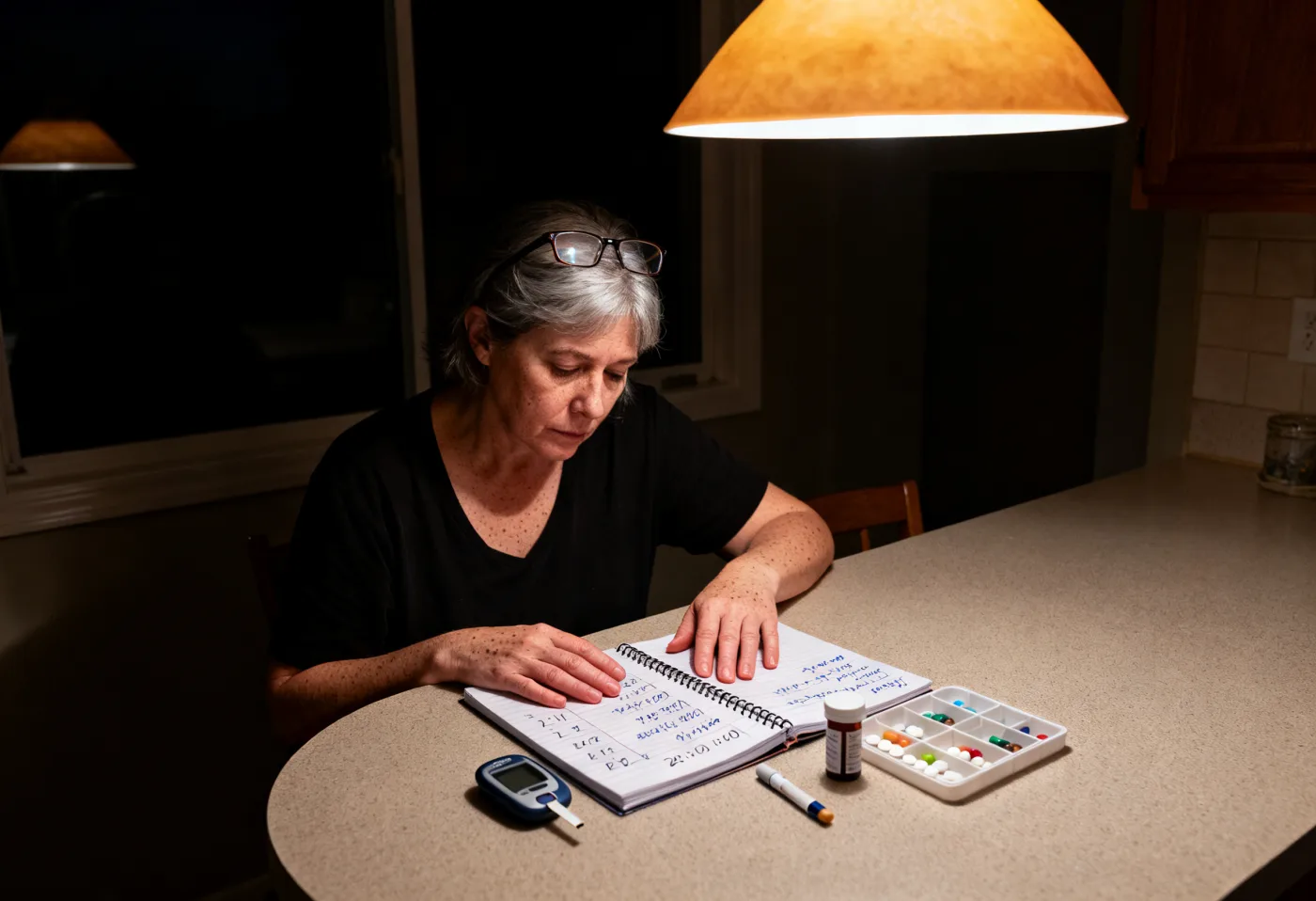
And the next morning I bought a spiral notebook and drew two columns on every page.
Left column: every single thing I ate, with the amount. Right column: the number on the meter, in the morning and two hours after dinner.
Ninety days. Not one day skipped. Not one bite fudged.
I still have it. It’s on the table next to me right now.
Here’s what those two columns showed me.
Grilled chicken, green beans, half a sweet potato. Two hours later: 148.
Two eggs and black coffee. Morning reading: 131.
A salad with no dressing, because I was angry. 139.
Dale ate a plate of spaghetti in front of me that week. Out of spite, I made him prick his finger two hours later.
104.
I was eating less sugar than my husband. My number was higher than his. Every single day.
That was the night I stopped believing it was a sugar problem.
Because no amount of eating less was going to fix something that had nothing to do with the plate.
Three Questions Nobody Wanted Me to Ask
I went back to my doctor with the notebook. She flipped through it, closed it, and said: “Well, you’re doing everything right.”
That was supposed to comfort me.
So I asked her three questions. I want you to ask them too.
- 1. If I’m eating less sugar than my husband, why is my number higher than his? Same table. Same food, or less. Opposite results. Something inside me was handling the same plate differently. What?
- 2. If the pill is working, why do you keep raising it? Nobody ever answered that one. They just wrote the new dose.
- 3. What actually went wrong inside my mother? Not “her sugar was high.” Why was it high when she followed every rule?
The answers weren’t in that office.
They were in a diagram a woman posted in an online diabetes group at 1:00 in the morning.
It looked like this.
The Lock, Not the Food
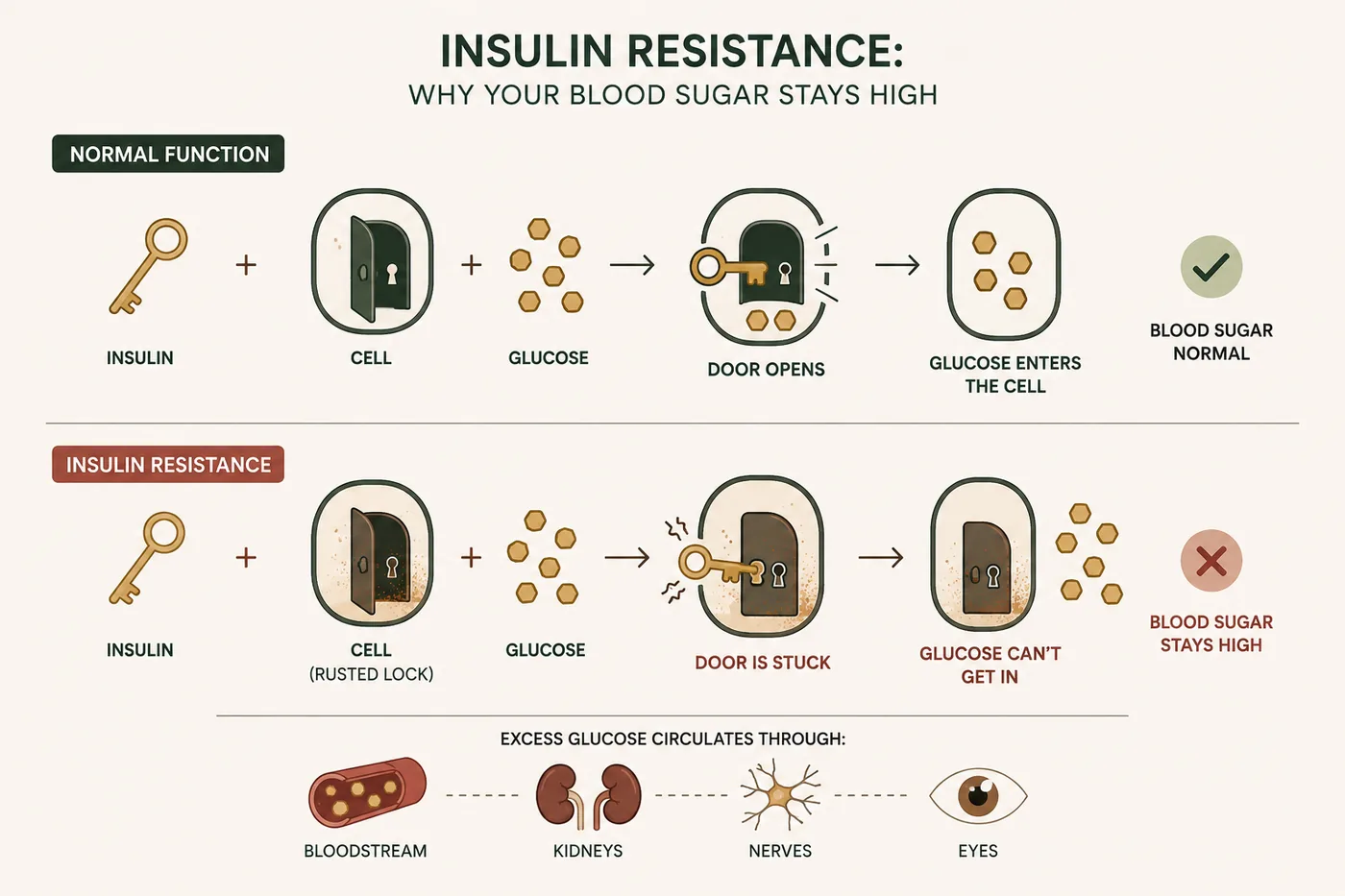
Here’s what almost nobody explains properly:
Your body is probably still producing insulin.
The problem is that your cells have stopped listening to insulin.
This is called: Insulin Resistance
Insulin is the key.
The cell is the door.
Glucose is what needs to get inside.
When the lock has gone stiff, the key turns and the door barely opens. Glucose doesn’t get into the cell.
So it stays circulating. Through your bloodstream. Your kidneys. Your nerves. Your eyes.
My mother’s toes. My mother’s eyes. My mother’s kidneys.
It was never that she ate too much sugar. It was that her doors had stopped opening. And every year the locks got stiffer, and every new pill was just a harder push on the same stuck key.
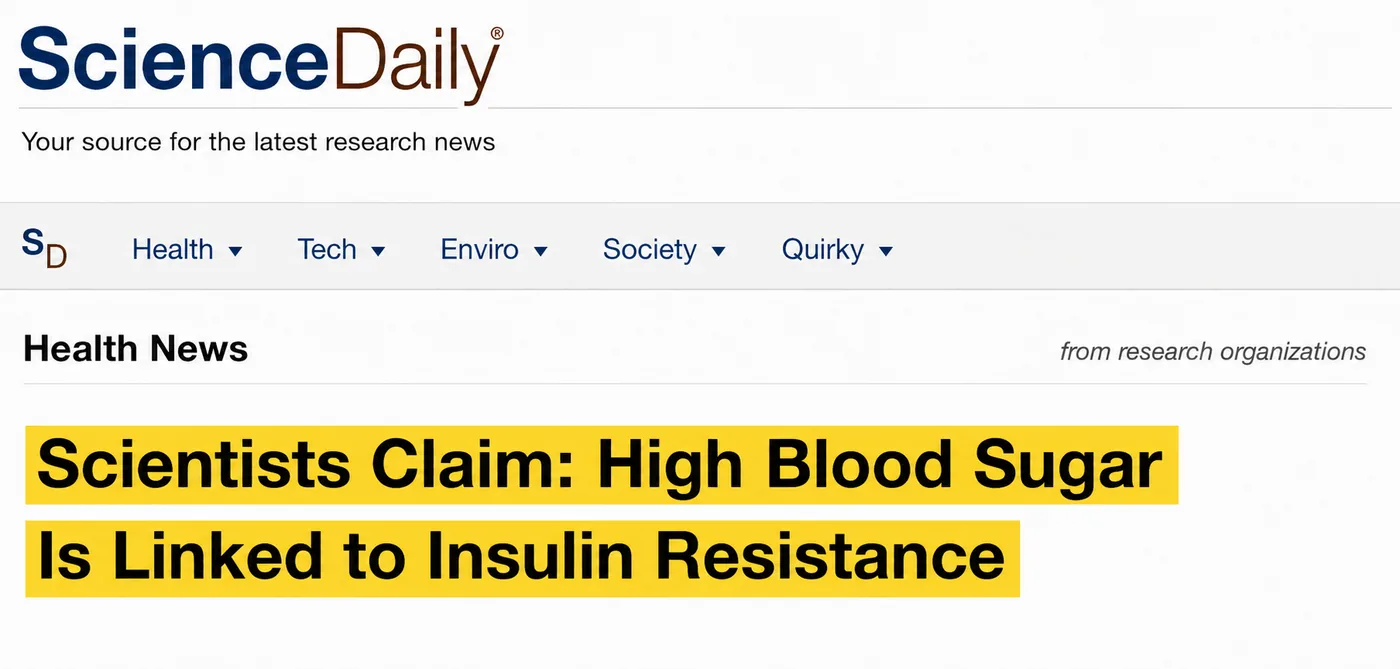
Of course diet matters. But it isn’t the main point.
There’s another question, and nobody had asked it about me:
Are your cells still responding properly to insulin?
Because if the answer is “no”…
You can spend all day trying to control what goes into your mouth…
While ignoring what’s happening inside your cells.
That, finally, was the picture nobody had drawn for me.
The question became: what on earth helps a stuck lock start turning again?
The woman who posted the diagram had an answer. It came from an apple pie.
It All Started With an Apple Pie…
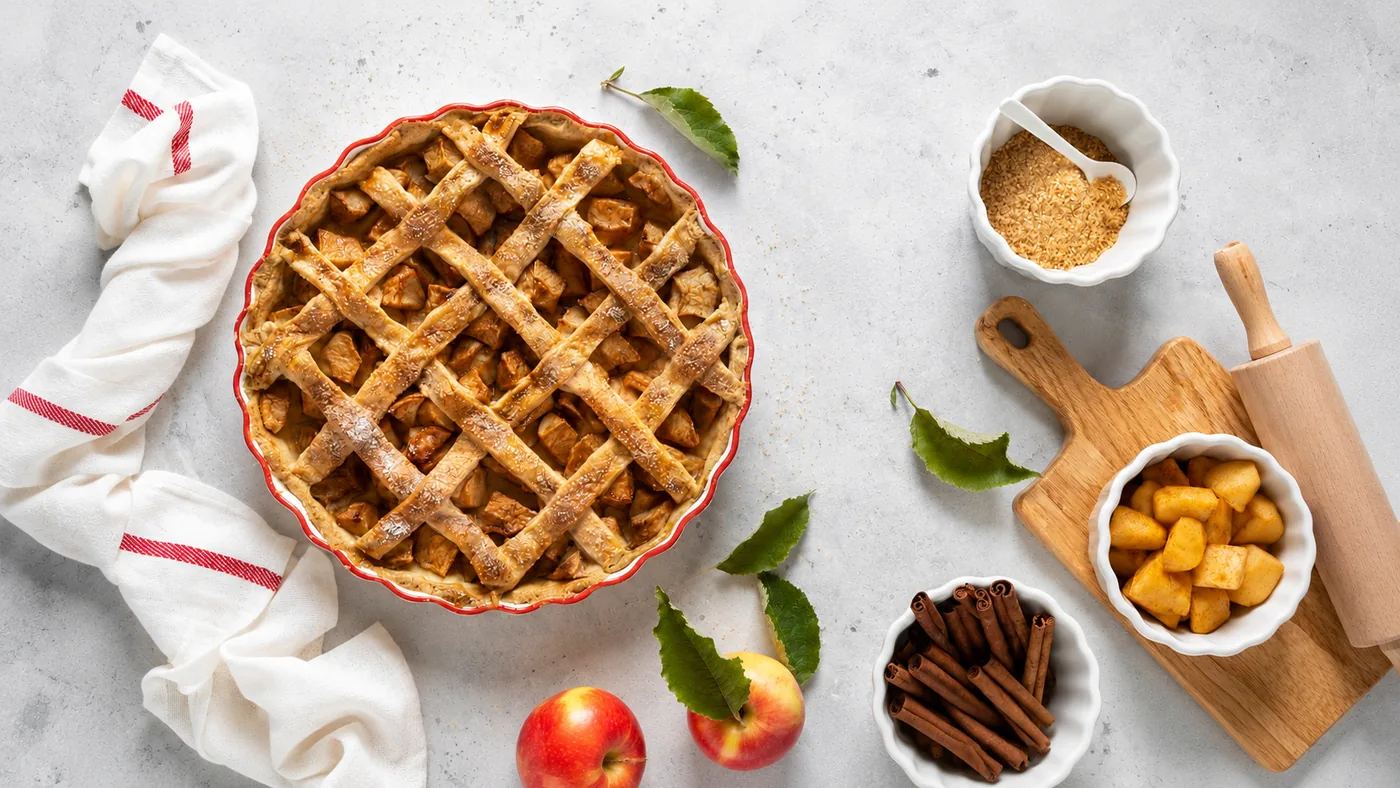
She linked to a study from the United States Department of Agriculture. Beltsville, Maryland. A researcher named Dr. Richard Anderson, whose job was to test common foods and measure what each one did to blood sugar.
One of them was apple pie.
Now think about this with me, because I had to read it twice.
Apple pie is sugar, white flour, and fat.
Anderson expected it to worsen glucose markers. Obviously.
But when the results came back…
It was the opposite.
The apple pie improved insulin function more than any other food in the entire series of tests.
He was confused. He repeated the test. Same result.
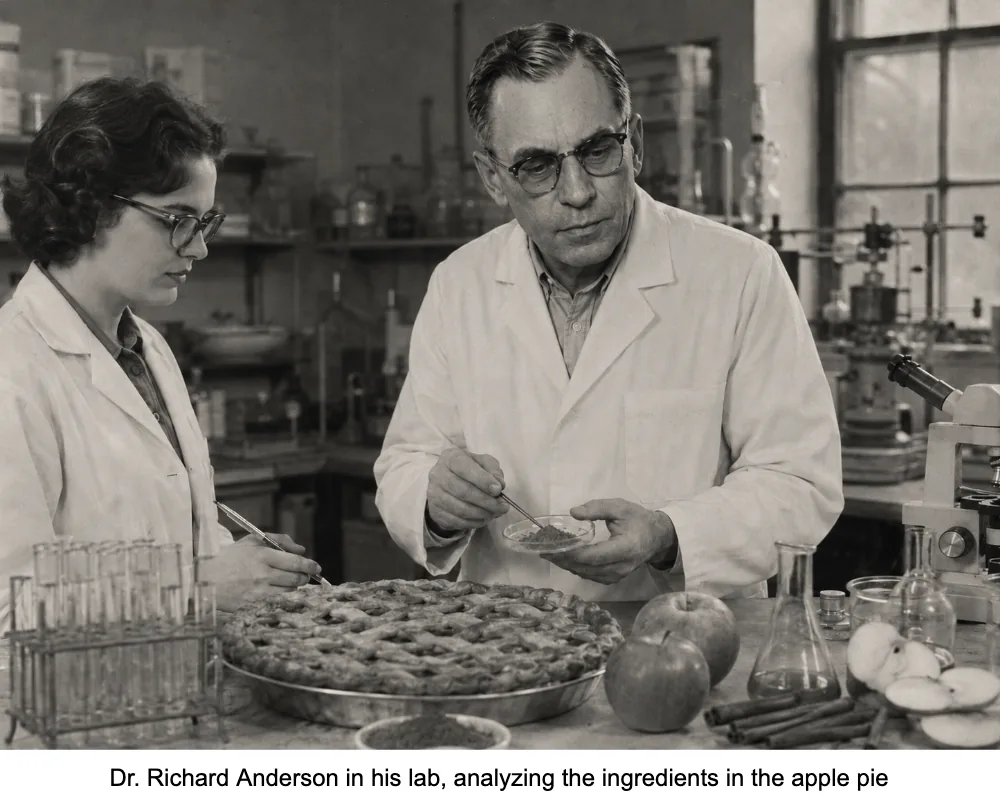
So he began separating the ingredients one by one.
Flour. Sugar. Butter. Apple.
It wasn’t the apple. It wasn’t the crust. It wasn’t the fat. It wasn’t the egg.
One by one, the ingredients were eliminated. Until exactly one remained.
The only one nobody would suspect, because it was there just for the aroma. A finishing touch. The little spoonful we sprinkle on top and don’t even count as an ingredient.
Cinnamon
What Was Inside the Cinnamon Changed Everything…
So Anderson and his team went back to the lab and isolated the compound in cinnamon that was doing it.
Its name is MHCP (methylhydroxychalcone polymer).
You don’t need to memorize that name. But what it does is the reason I’m writing this.
In the lab, MHCP has been studied for the way it may support the body’s own response to insulin.
It helps the cells “open the door” again so glucose can get inside.
Not a harder push on the key. Something that works on the lock.
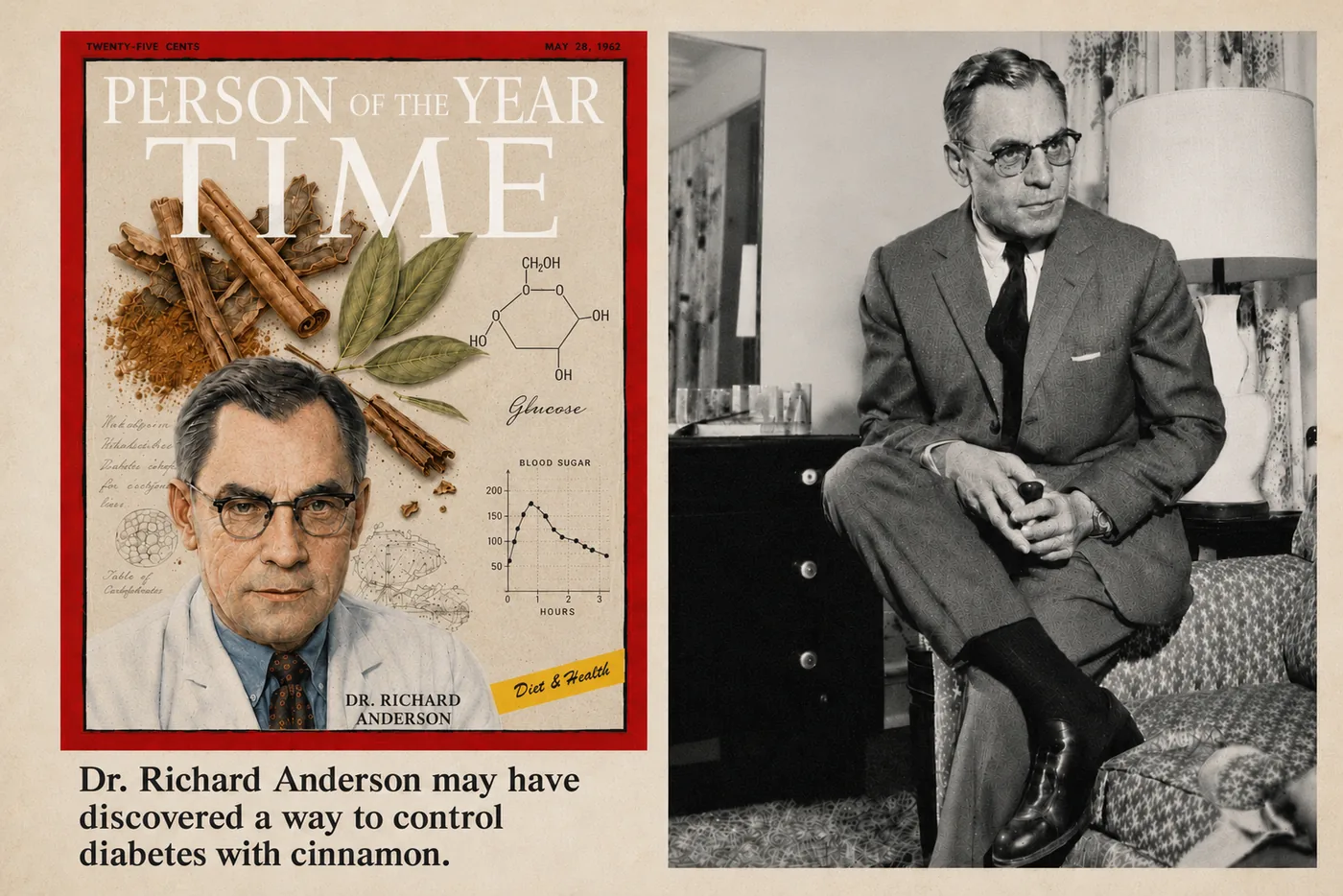
Anderson called it the most significant scientific discovery he had seen in 25 years of his career.
“Okay. But I Already Tried Cinnamon.”
That’s what I said out loud to an empty kitchen at 1:00 in the morning.
Of course I had. Capsules from the drugstore. Powder in my coffee, every morning, for three months. Nothing.
So I got up and got the bottle out of the cabinet.
It said “cinnamon.” Just the word. Not Ceylon.
And that, it turned out, was the whole problem.
The cinnamon Anderson studied was Cinnamomum verum. True cinnamon. It grows in one narrow strip of Sri Lanka and gets peeled by hand. The cinnamon in my bottle, and in almost every jar and capsule in America, was cassia: a cheaper, thicker bark from China sold under the same name, legally, because nobody is required to say which species is inside.
Different plant. Different compound profile. The difference between a horse and a zebra.
And cassia comes with its own problem, a compound called coumarin that the FDA set a daily limit on for exactly the kind of every-morning use I had been doing for three months. The editors here wrote the history of how the two plants got swapped, and a warning for daily users that I wish I had read first.
I hadn’t failed. I had taken the wrong plant.
It Had to Solve Two Problems, Not One
So now I knew what I was looking for. Two things, together.
- The right species. Verified Ceylon. Not a label that says “cinnamon.”
- A real amount. The concentrations in the research don’t live in a pinch of seasoning. And a heaping spoon of powder every morning for the rest of my life was not something I was going to keep up.
It took me three weeks of reading labels. Most products failed on the first point. The ones that passed failed on the second.
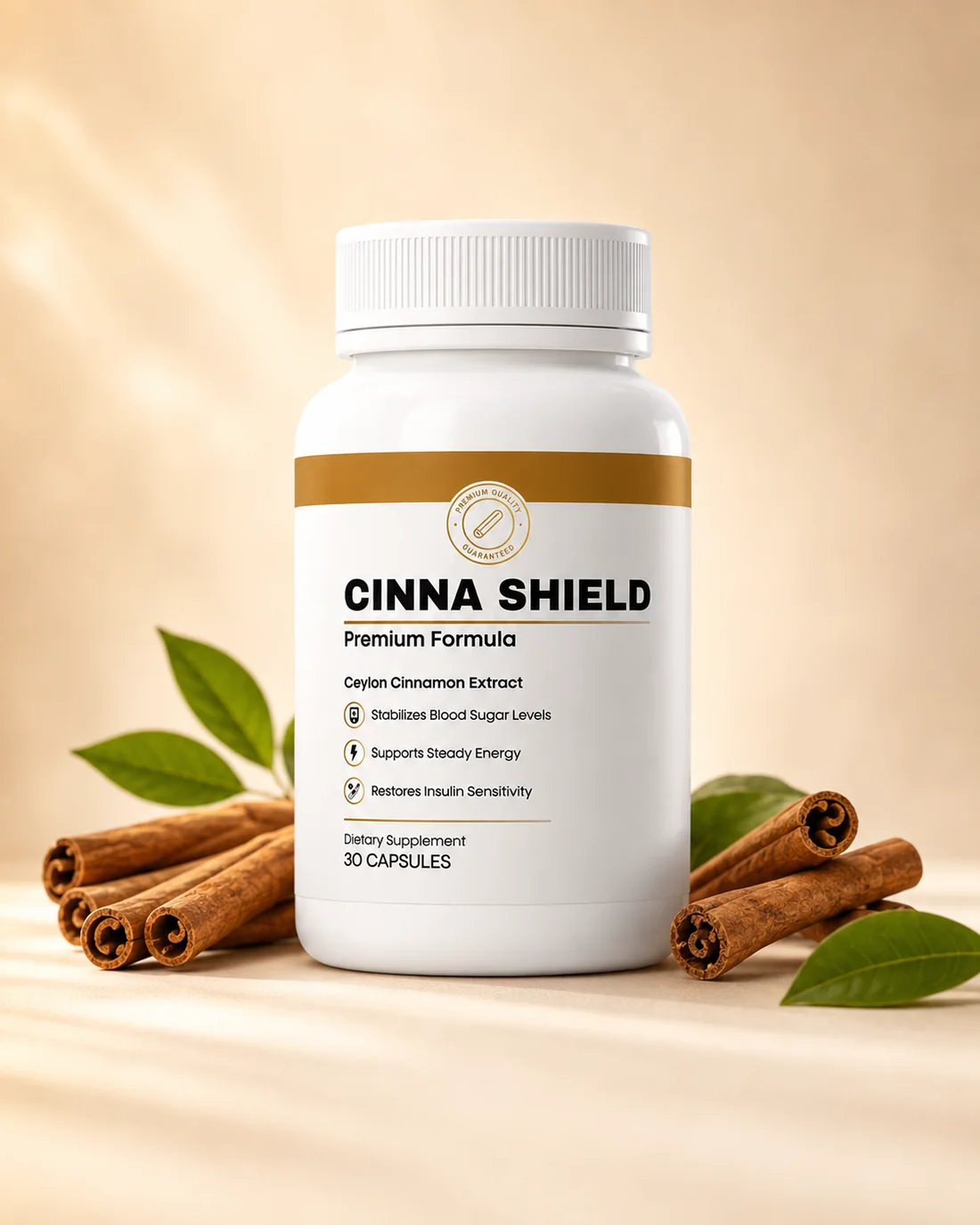
The one I ended up with is called Cinna Shield®.
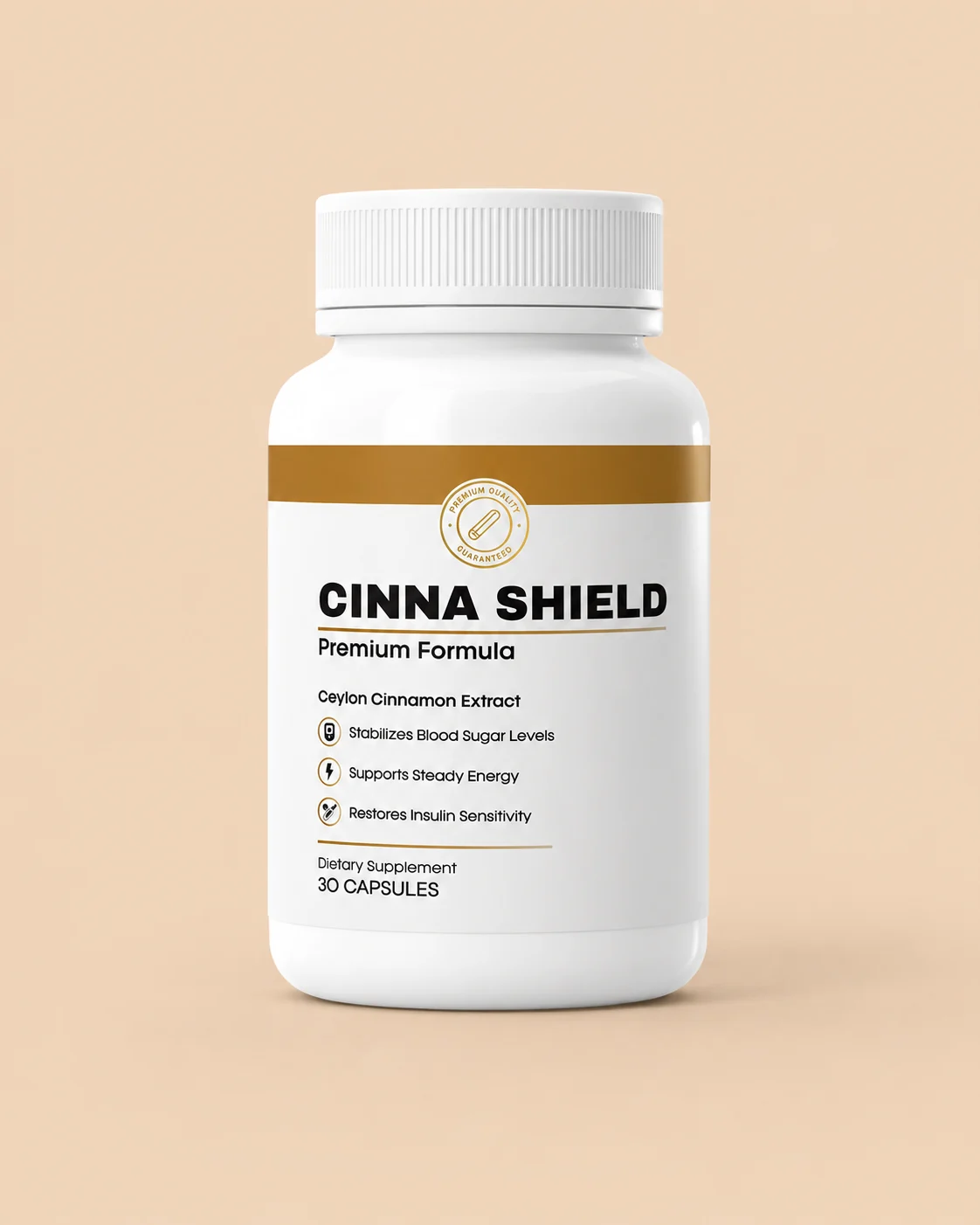
Two things on the label sold me, once I understood them.
“DNA-verified Ceylon.” The plant was tested, not just purchased. The species, confirmed. After the bottle in my cabinet, that was the first thing I wanted settled.
“12:1 extract.” Twelve kilograms of bark into one kilogram of extract, which is how one capsule works out to the equivalent of 7,200 mg of raw Ceylon bark. I could not have eaten that. Not in coffee, not every day.
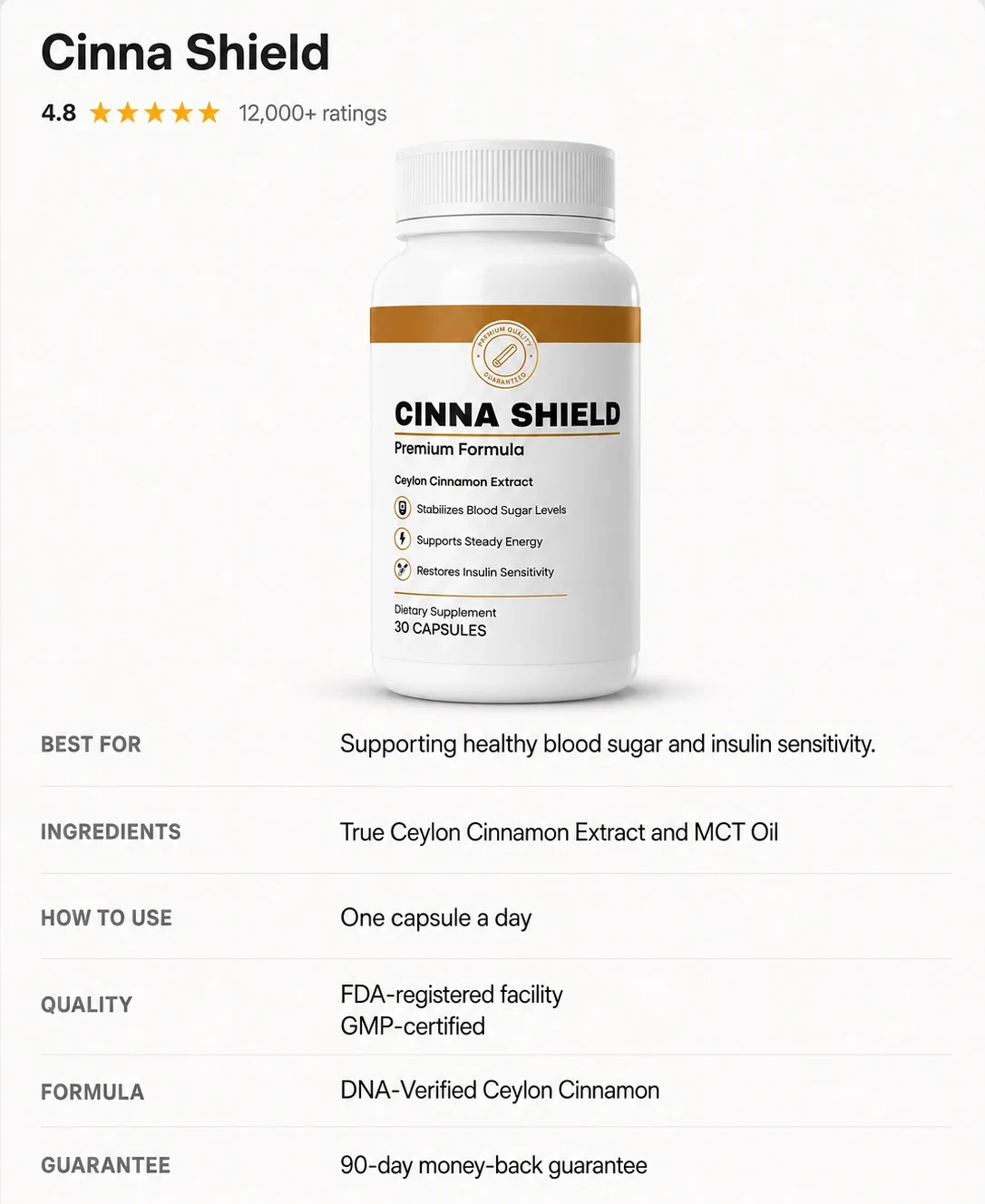
One capsule, with breakfast. That was the whole change.
I kept everything else exactly the same. The walking, the carbs, the pill. Because I wanted to know.
What the First Twelve Weeks Were Like for Me

- Honestly? Nothing I could point to.
- I kept writing in the notebook out of habit.
I almost didn’t take it on day four.
- The 3:00 p.m. slump I had built my afternoon around didn’t hit the same way.
- I noticed because I forgot to notice it.
That was the first thing.
- The after-dinner check stopped feeling like a verdict.
- Less of the sleepiness after lunch.
I started looking forward to the notebook.
- Dale asked what was different. I hadn’t told him.
- I slept through the night more often than not.
That’s when I believed it was real.
- I stopped weighing my food.
- I still ate carefully. I just stopped being afraid of the plate.
The fear went first. The rest followed.
- My quarterly appointment.
- She looked at the chart, looked at me, and said the sentence I had waited three years for.
“Whatever you’re doing, keep it up.”
★★★★★
I Wasn’t the Only One
Reviews from other people who made the same switch
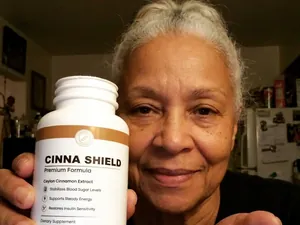
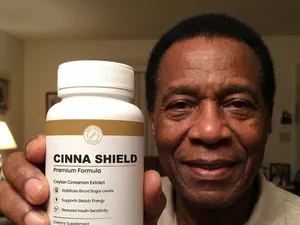
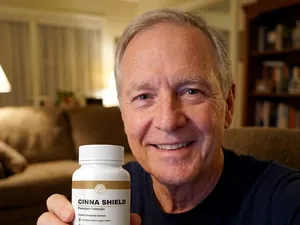
5.0★★★★★
Finally Back in Control!
For years my blood sugar was all over the place and every reading stressed me out. I felt like no matter how clean I ate or how hard I tried, my numbers never stayed consistent. Since starting Cinna Shield, everything feels steadier and those afternoon crashes don’t control me anymore. My energy lasts through the day and I’m not constantly reaching for caffeine or sugar. For the first time in a long time, I feel like I’m back in charge of my health.
 Jacob M.✓ Verified Customer
5.0★★★★★
Mornings Finally Feel Clear
I used to start every morning tired, foggy, and already worrying about what my numbers would look like. I tried every so-called ‘healthy fix’ but nothing really moved the needle. With Cinna Shield, my mornings feel clear, my cravings are under control, and my energy is steady throughout the day. I’m not dealing with those late-night sugar crashes anymore and I finally feel balanced. It feels good knowing I’ve found something simple that actually works.
 David L.✓ Verified Customer
Individual results may vary*
What She Didn’t Ask, and Why Most People Quit in Week Three
Here’s the thing about that appointment. She didn’t ask what I was doing. She just told me to keep doing it.
I understand why. It isn’t a prescription. It isn’t on her list. And I’m not telling you it should be. I’m telling you what happened at my kitchen table.
What I will tell you, because I’ve now watched two friends do it, is why people quit.
They quit in week three. Either because they felt something early and thought they were done, or because the deeper change hadn’t shown up yet and they decided it wasn’t going to.
Both are wrong. The early signs come in days. The part where you trust your body again takes months. Not because anything is slow. Because you’ve been running the same instructions for years, and that doesn’t turn on a dime.
I almost quit on day four. I’m glad I didn’t.
Who I’d Tell to Try This. And Who I Wouldn’t.
I’d rather tell you the truth than sell you an illusion. So here’s the split, from my kitchen table.
- You’ve done everything right and the number still won’t move. That was me. The obedience wasn’t the problem.
- You’ve got a notebook, a meter, and a doctor who says “we may need to adjust.” You know the sentence. You’ve heard it.
- You tried cinnamon and felt nothing. Go read your bottle. Then come back.
- You’ve watched someone you love follow every rule and lose anyway. And you want a different preview.
- You want it fixed by Friday. I felt the first thing in week one. The appointment was week twelve.
- You’ve never had a test. Start there. Even if you never buy anything. I mean that.
- You’re going to stop your medication on your own. Don’t. I kept mine. Talk to your doctor about all of it.
What Staying Where I Was Would Have Cost
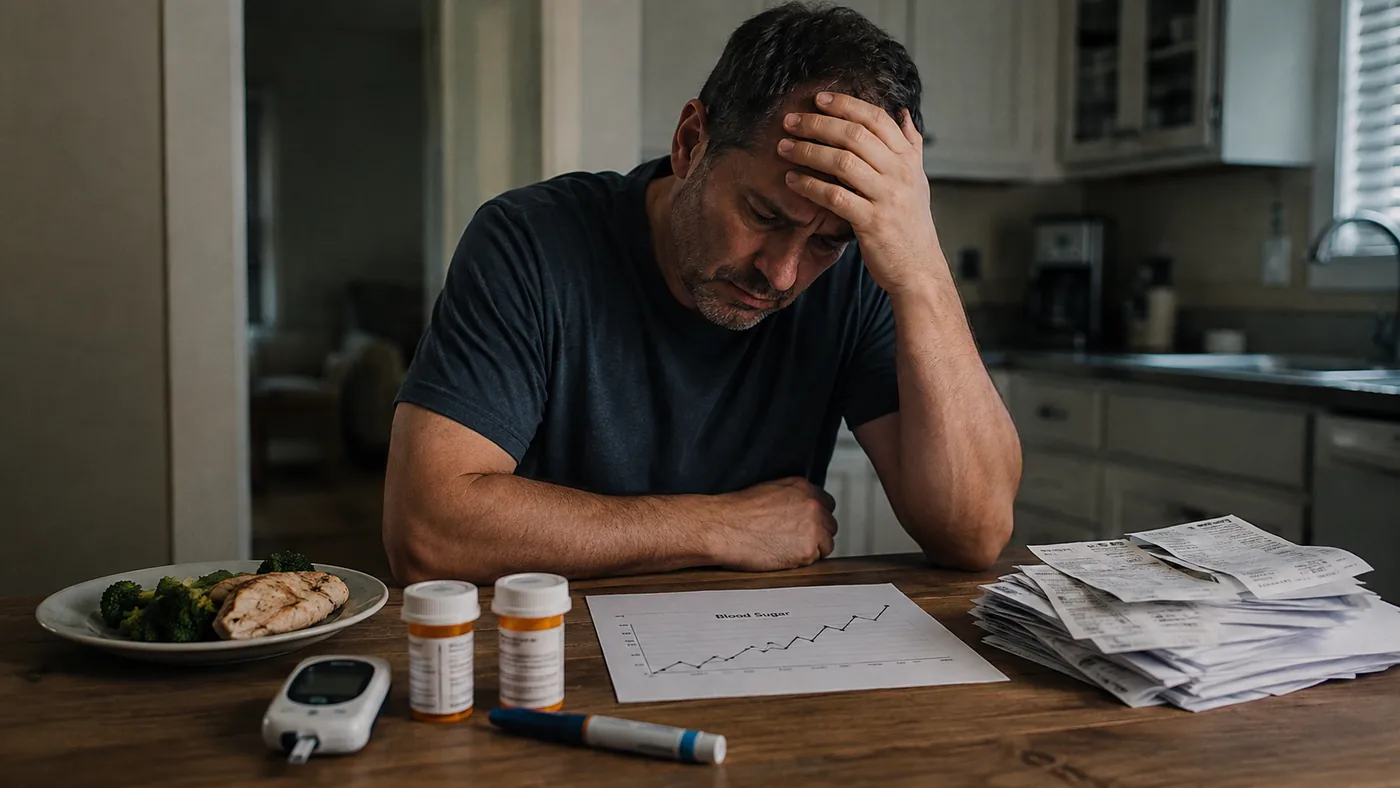
I know what my mother’s path cost, because I paid for parts of it.
- The dose creep. 500 became 1,000. “Adding something” was already on the table. That road has no last blister pack.
- The specialists. $200 to $400 a visit, and the visit ends with the same prescription and a bigger number.
- The injections. My neighbor pays hundreds a month, some months more than a thousand, and she’s still afraid of bread.
- The supplements that weren’t. Cinnamon capsules, chromium, berberine. $50 here, $80 there. The wrong plant, every time.
- The chair. Three afternoons a week, for two years. My mother’s, not mine. Not yet. That’s the one I think about.
Doing nothing isn’t free.
I was paying every morning. In the driveway. In the guest room. In the notebook.
The Decision Their Team Hated (I Asked)
When I emailed the company to ask why the six-month package was priced the way it was, the founder wrote back himself. I’m quoting him with his permission:
“I know the people reading this have already spent a lot of money. Appointments, tests, medications, supplements, diets, apps, meters. Altogether, thousands. And they’re still looking. That’s why I did something my team hated. I could charge a lot per bottle. Many people would pay. But I don’t want to create another barrier for people who have already lost too much time and money.”
That’s why today you can get access to Cinna Shield® with 70% off the complete 6-month package.
How It Works
First, you answer six quick questions to calculate your Insulin Resistance Index.
They need to know your age, how long this has been happening, what your mornings look like now, and what you’ve already tried.
At the end, you’ll find out whether Cinna Shield® is compatible with your pattern. And if it is, your price and complete package appear in the result.
Mine took under a minute. I did it at 1:15 in the morning.
Check My Insulin Resistance Index →Six questions. Under a minute. Then go read your bottle.

You Have Nothing to Lose
They know you’ve been misled before. So they remove all the risk for you.
Try Cinna Shield® for 90 full days. Use the bottles.
Watch for the first signs. For me it was the afternoon slump. For you it might be the after-dinner check, or the mornings, or just not being afraid of the plate.
If after 90 days of consistent use you don’t feel a difference, or if for any reason you aren’t satisfied, send their team an email and ask for your money back. Empty bottles. No questions. No hassle.
You keep the result or you keep the money. The only thing you cannot do is stay exactly where you are.
Six Months From Now, You’ll Be Living One of Two Stories
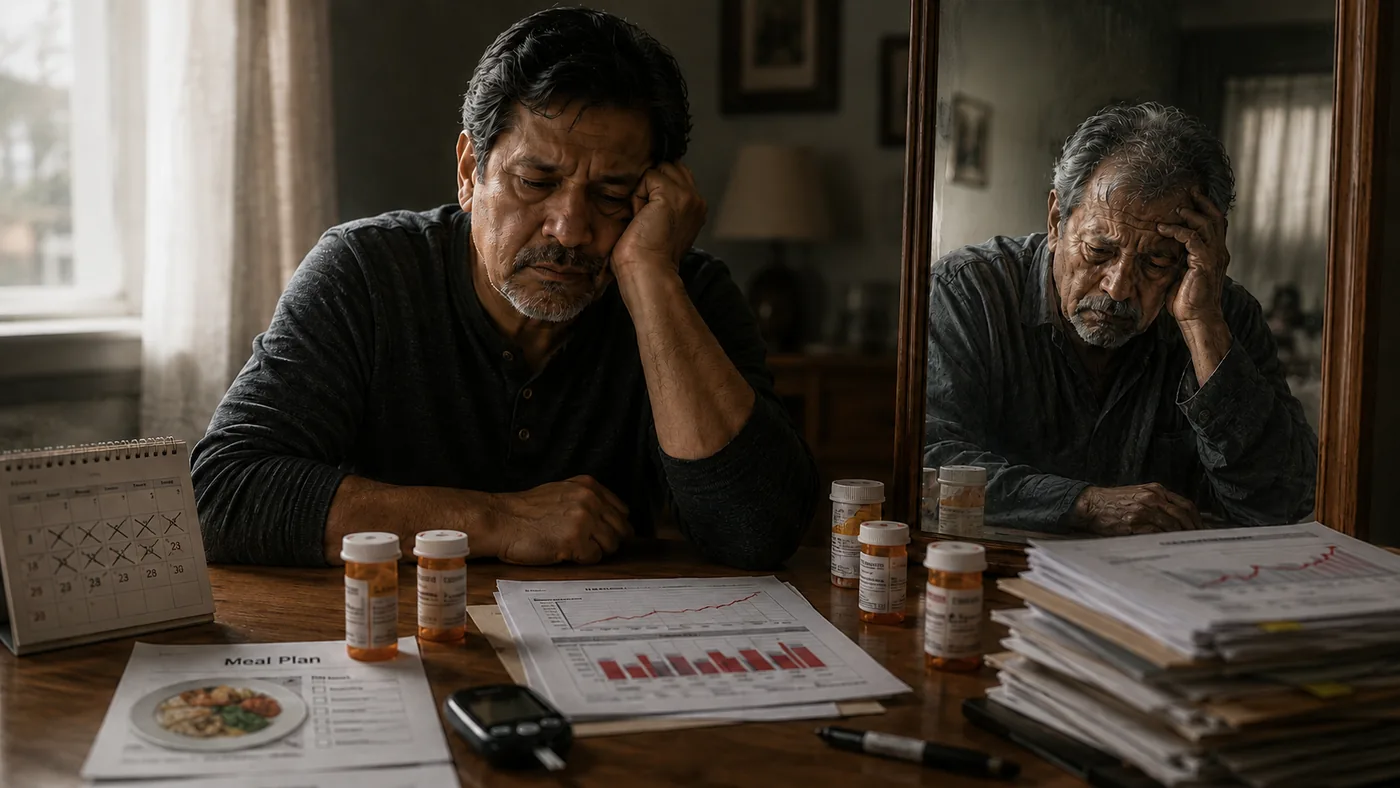
Another quarter. Another sentence about adjusting. Another sweet potato you weigh and resent.
And underneath it, the preview: my mother’s eye doctor. My mother’s foot. My mother’s chair.
It doesn’t stand still. Every month the lock gets stiffer and the push gets harder.
Path 1 isn’t you staying where you are. Path 1 is you six months from now, with more fear, more restrictions, more guilt, and the same notebook.
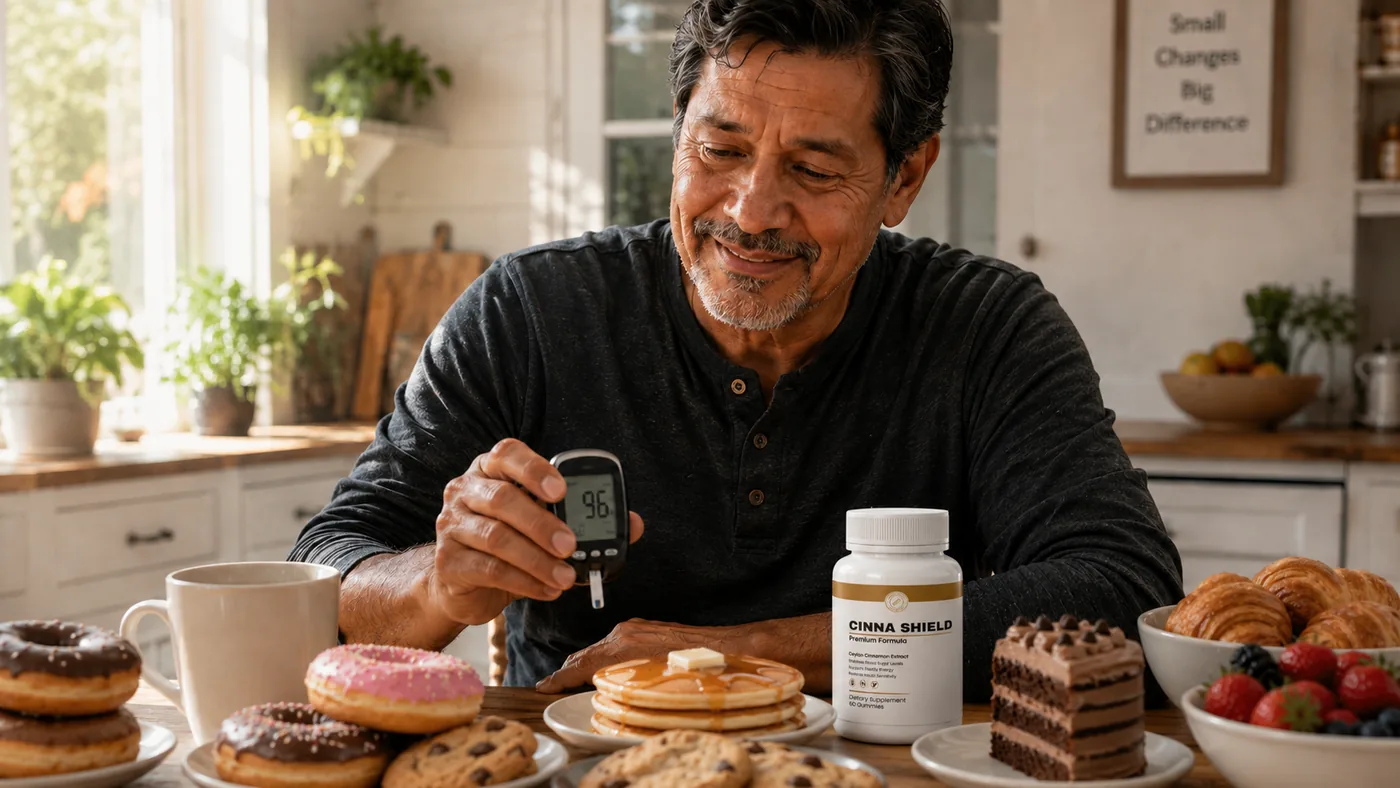
Six months from now it’s an ordinary morning.
Coffee. The notebook, if you still want it. A plate you don’t negotiate with.
A husband who asks what changed.
And an appointment where somebody finally says: “Whatever you’re doing, keep it up.”
You’ll know it wasn’t luck. It was a decision you made at 1:00 in the morning with cold coffee.
Now you know why nothing you tried was working.
It was never the plate.
Answer the six questions. Your result appears in under a minute.
Then go read your bottle.
Check My Insulin Resistance Index →P.S. I still have the notebook. It’s open next to me, on the same kitchen table where my mother used to prick her finger. Last night’s page doesn’t have a number circled in red. That page is the reason I wrote this. Results vary. Mine did, week to week. But I would rather you go check your cabinet tonight than sit in a driveway for twenty minutes the way I did.
Comments
Judith Ann Pryor
The two columns. I have the same notebook. My husband eats pizza and reads lower than me. I cried reading this.
Like · Reply · 11 · 28 min
Barbara Kline
My mother lost her foot in 2019. “A preview.” That’s exactly the word.
Like · Reply · 7 · 1 h
Dennis Marlow
Retired RN, 34 years. We taught the sugar lesson too. The lock explanation is the one I wish I’d had for my patients.
Like · Reply · 9 · 2 h
Judith Ann Pryor
Dennis, same. I owe a few people an apology.
Like · Reply · 4 · 1 h
Sharon Teague
How long did it take before you felt anything, Carol?
Like · Reply · 3 · 2 h
Carol H.
Week one for the afternoon slump, Sharon. The appointment was week twelve. Don’t quit on day four like I almost did.
Like · Reply · 8 · 1 h
Linda Okafor
Checked my bottle. It says cinnamon. That’s all it says. Ordering.
Like · Reply · 5 · 3 h
Sharon Teague
Just did the six questions. Ordered the six-month.
Like · Reply · 4 · 1 h