WARNING: Do Not Take Cinnamon Every Day Until You’ve Read This
An occasional sprinkle is harmless. A daily spoonful of the wrong cinnamon quietly adds up. And the people most likely to take it every single day for their blood sugar are the ones reaching for the exact jar they should be avoiding.
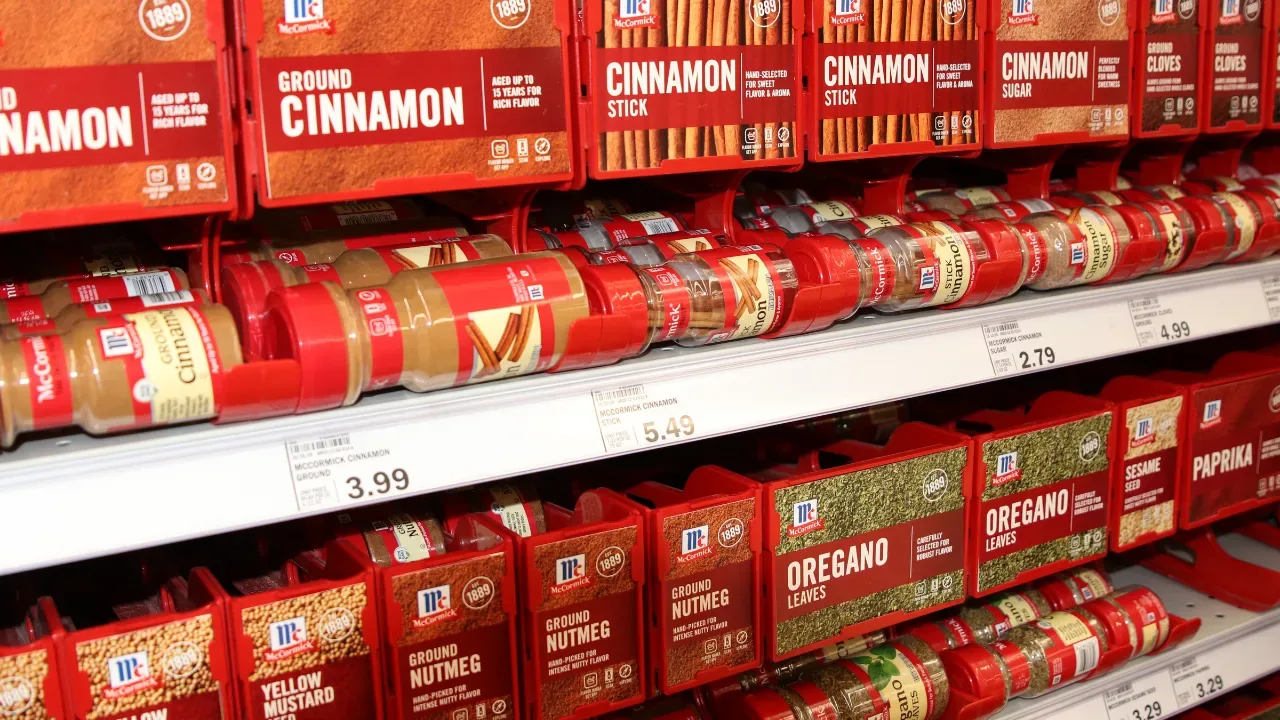
Please stop putting cinnamon in your coffee every morning until you finish reading this.
I’m not saying that to scare you.
I’m saying it because cinnamon has such a wholesome reputation that it never occurs to anyone to check what’s actually in the jar.
That’s exactly the problem.
Because if you’ve started taking it every day… in your coffee, in a capsule, on your oatmeal… because someone told you it helps with blood sugar…
There’s a detail that changes everything.
And it comes down to which of the two cinnamons you’ve been using without knowing it.
The Catch Is a Compound Called Coumarin
Almost every jar simply labeled “cinnamon” is cassia. The cheap bark that fills most shelves.
And cassia is naturally high in coumarin.
The FDA itself measured the levels.
Cassia cinnamon contains, on average, around 3,000 mg of coumarin per kilogram.
And why does that matter?
Because coumarin, when used daily and continuously, is associated with liver stress and liver damage.
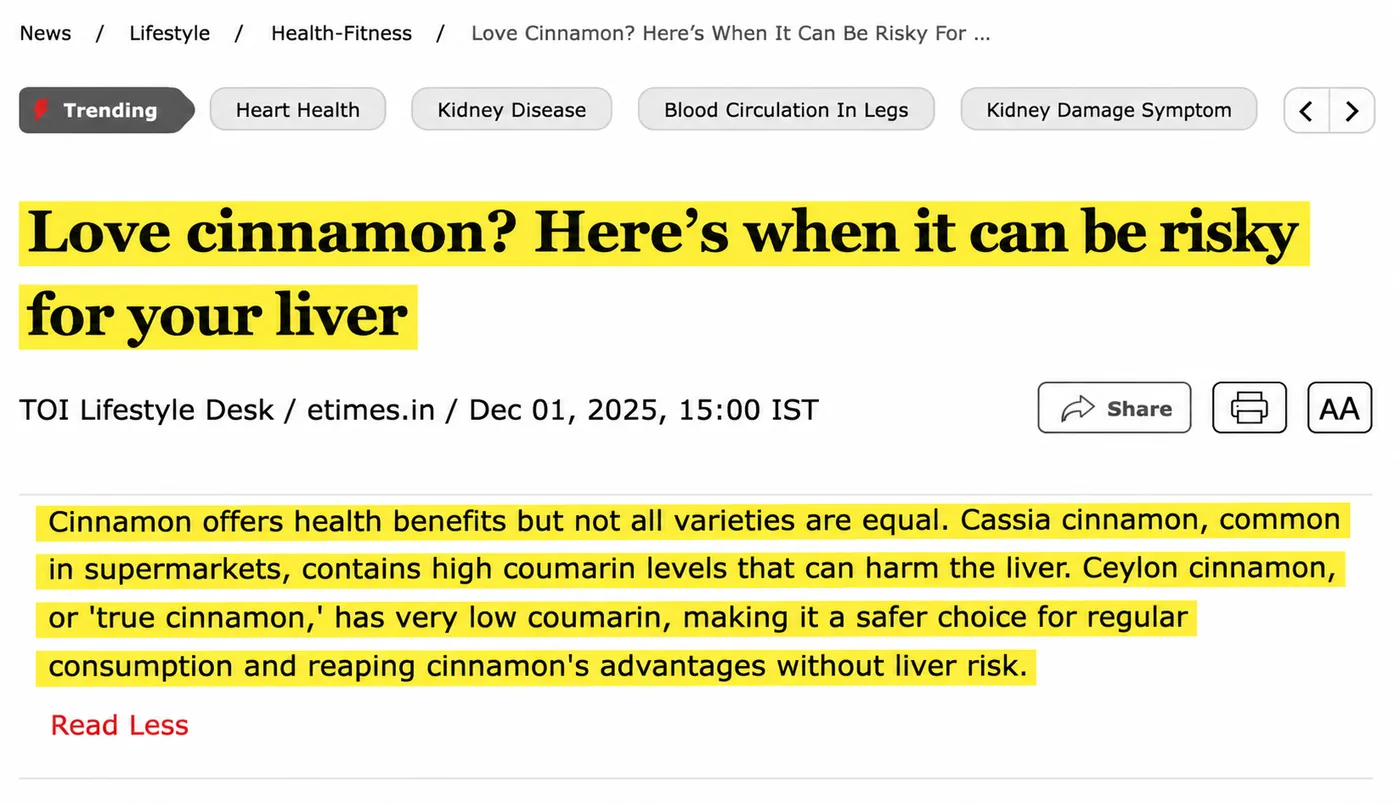
The FDA established a tolerable daily intake limit of 0.1 mg of coumarin per kilogram of body weight.

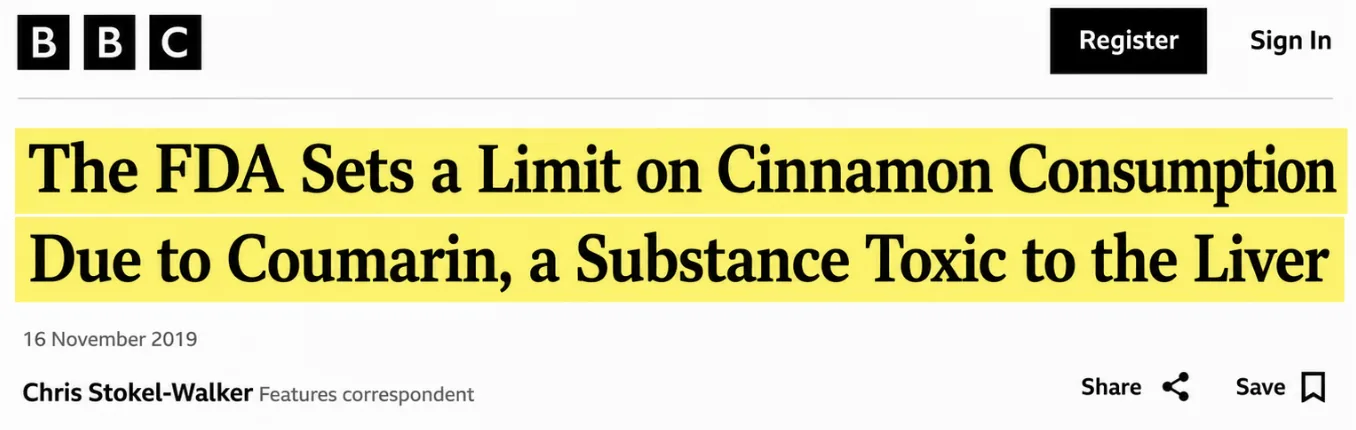
For a 132-pound adult, that’s 6 mg per day. For a lifetime.
One teaspoon of cassia alone can exceed that.
Now do the math the label never does for you:
- An occasional sprinkle on a dessert, a few times a month? A non-issue. Nobody is worried about that.
- A teaspoon every morning, five or six days a week, because you read it might help your blood sugar? That’s over the limit before you finish your coffee. And it repeats tomorrow.
- Capsules every day, for years, the way people with blood sugar concerns actually take them? That’s the frequency the FDA warning was written for.
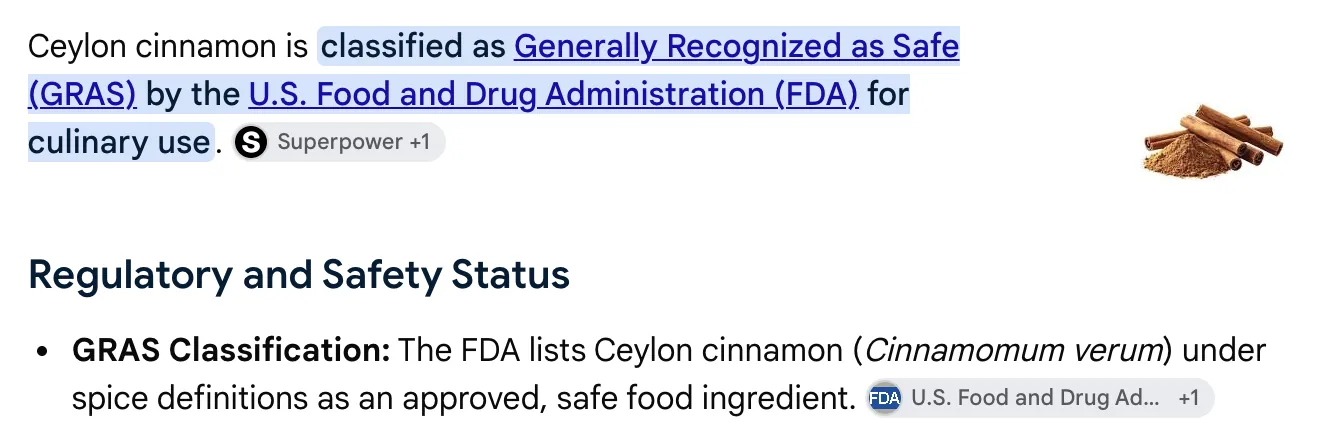
And that’s why the FDA explicitly recommends that people who consume cinnamon frequently use Ceylon.
Read that again, because it’s the uncomfortable part:
The people most likely to use cinnamon every single day are the ones reaching for the cheap drugstore version. The exact one they’d want to avoid at that frequency.
If you’re someone with blood sugar problems, taking the wrong cinnamon every single day, for years…
You’re putting yourself in serious danger.
You did everything thinking you were taking care of your health.
And you bought the wrong bottle.
The Safety Trap: Why the People Doing the “Right Thing” Are the Most Exposed
Here is the pattern that worries the people who study this.
Someone reads that cinnamon may help with blood sugar. Reasonable. So she starts taking it. Every day, because that’s how you take something for a chronic problem.
Nothing much happens. So she does what anyone would do: she takes a little more. A bigger spoon. Two capsules instead of one.
She isn’t being careless. She’s being diligent.
And diligence, with the wrong plant, is exactly how the coumarin adds up.
More of the wrong cinnamon is not more help. It’s more coumarin.
Germany’s food-safety agency was the first to flag it. The FDA followed with its own alerts on specific cinnamon products. Neither of them was talking about the cook who dusts a pie at Thanksgiving. They were talking about the daily user.
And the liver doesn’t complain out loud. There’s no ache that tells you the daily habit has crossed a line.
Which is why the frequency rule exists in the first place.
Three Words That Mean Cassia. One Word That Means the Real Thing.
So, the jar. Go get it.
- “Cinnamon,” “Saigon,” “Korintje,” “Chinese cinnamon.” All cassia. High-coumarin bark from China, Vietnam or Indonesia, in one thick roll.
- “Ceylon” or “Cinnamomum verum.” True cinnamon, naturally low in coumarin. Grown in one strip of southwestern Sri Lanka, peeled by hand into paper-thin layers you can count inside a single stick.
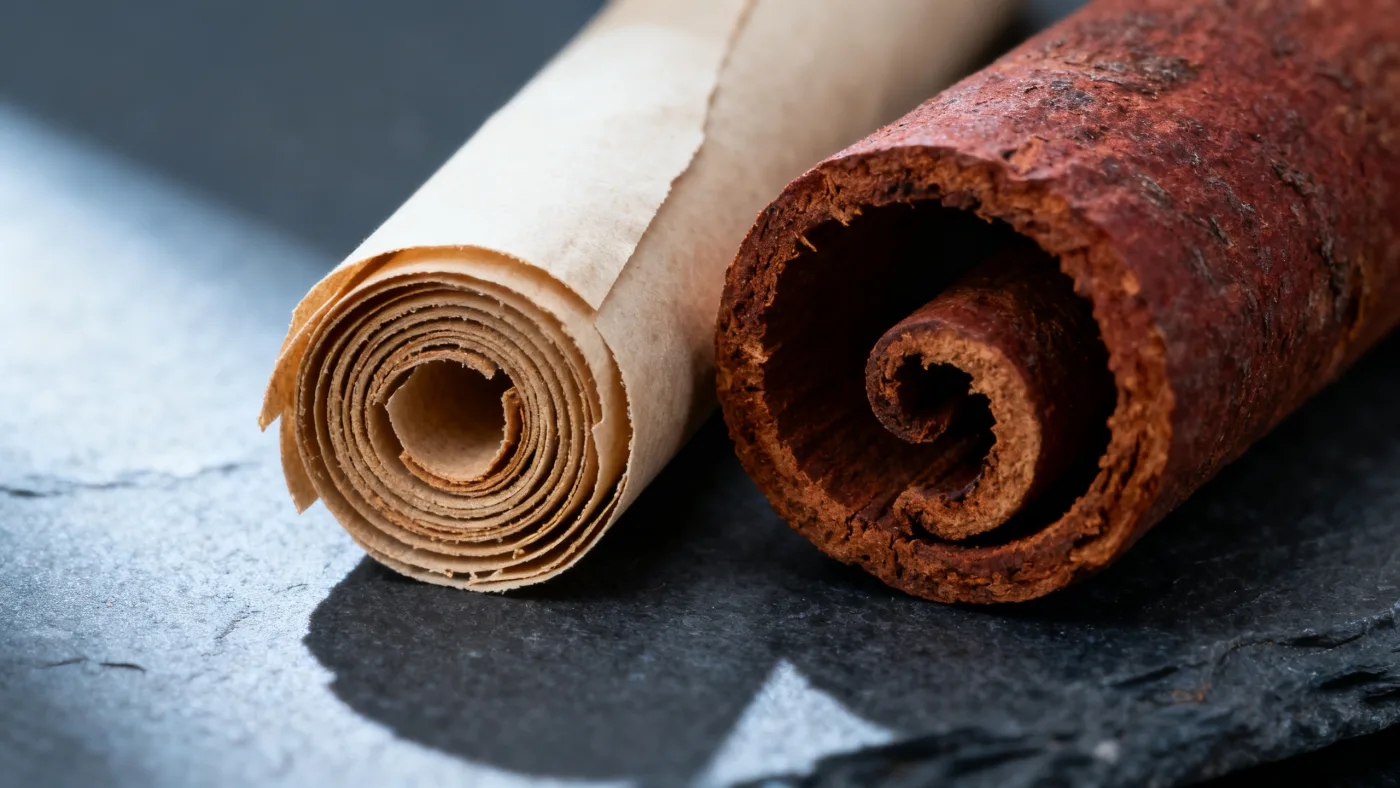
Cassia and Ceylon are different plants. Similar genera, distinct species, compositions that have nothing to do with each other.
If your label doesn’t say Ceylon, you have your answer.

And Here’s the Part That Makes It Worse. It Wasn’t Even Doing the Job.
Cassia isn’t just the riskier choice at that frequency.
It was never the plant behind the reputation.
Every study people quote about cinnamon and blood sugar traces back to true Ceylon, and to a compound in it called MHCP that a USDA researcher isolated after an accident with an apple pie. The story of how that happened, and what it explained for one reader who had followed every rule for three years, is here.
A century ago the spice trade swapped the expensive bark for the cheap one and kept the name. That history, and how to read a label like someone who knows, is here.
So you were taking on the risk… without getting the benefit.
The Switch: What to Do With Your Next Spoonful
This is the practical part. Four rules.
- 1. Stop the daily cassia today. Not the occasional sprinkle in baking. The daily habit. That’s the one the limit was written for.
- 2. If you take cinnamon every day for your blood sugar, it has to be Ceylon. Not because it’s fancier. Because it’s the low-coumarin species, and the one in the studies.
- 3. A pinch is not the studied amount. The concentrations researchers looked at don’t live in a dusting of seasoning. But a teaspoon of powder every morning, forever, is a lot of powder, and it’s never the same amount twice.
- 4. So the daily form has to be verified and concentrated. Verified, so the species question is settled before it reaches your kitchen. Concentrated, so you get the daily amount without the daily spoonful.
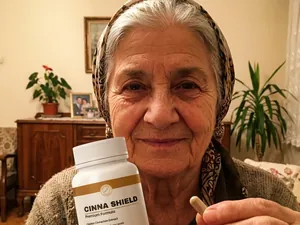
That last rule is why a product like Cinna Shield® exists.
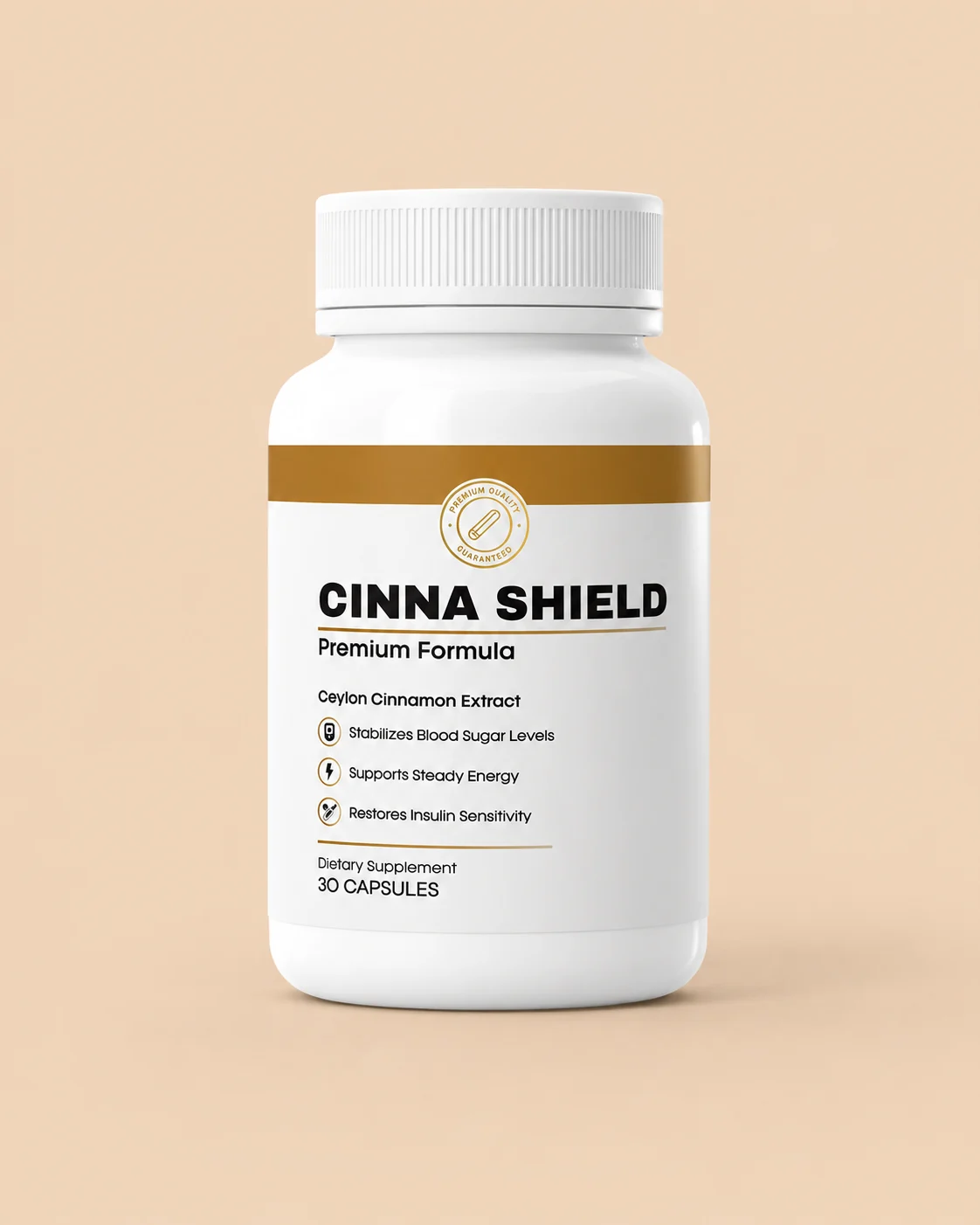
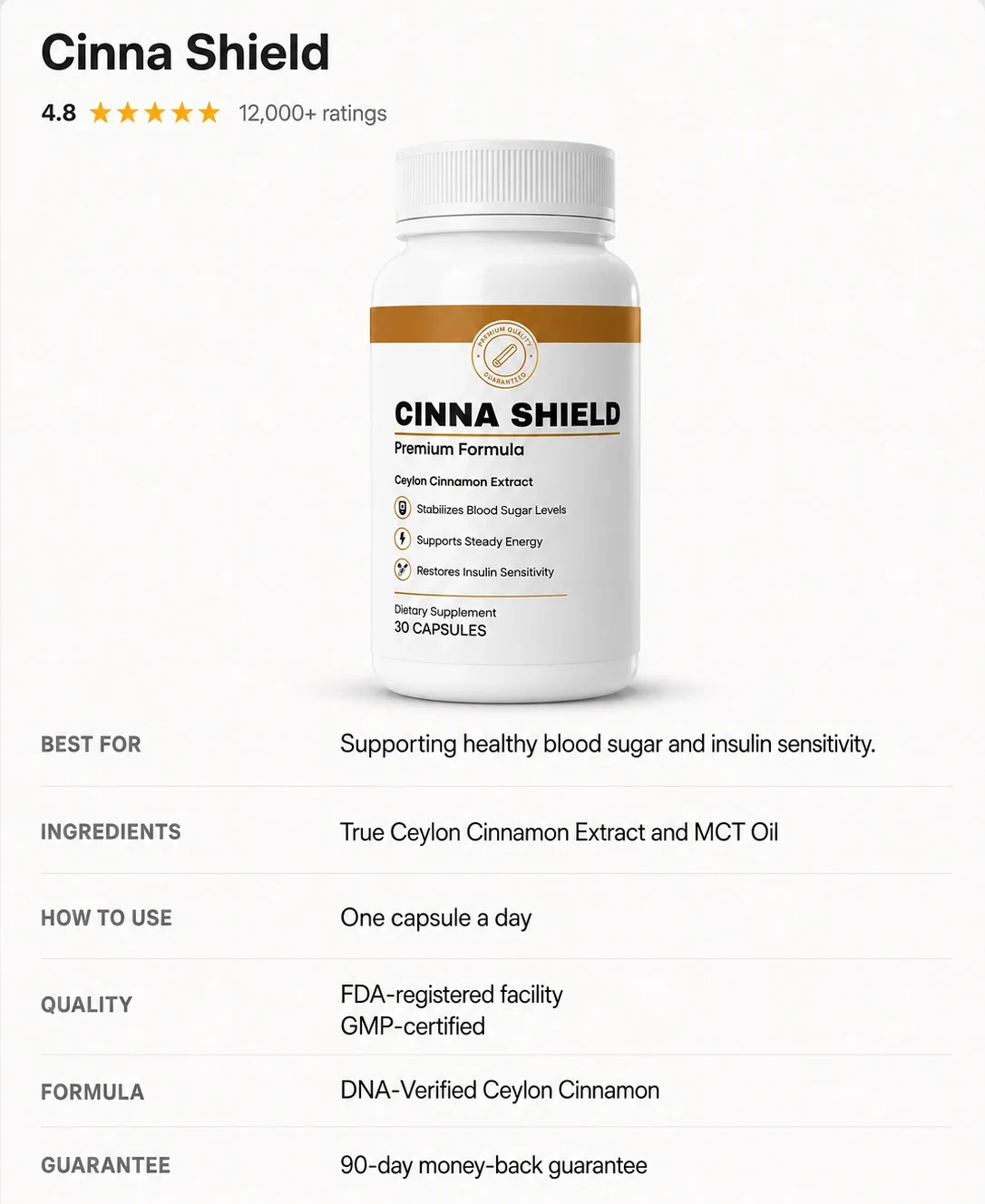
It uses DNA-verified Ceylon. The species was tested, not purchased on trust. Which settles the coumarin question at the root: it’s the low-coumarin plant, confirmed.
And it’s a 12:1 extract. Twelve kilograms of bark into one kilogram of extract, so one capsule delivers the equivalent of 7,200 mg of raw Ceylon bark. The daily amount, without the daily spoonful. And the same amount every morning.
Why “Gentle on the Stomach” Comes Up So Often
One more thing daily users notice, because they’re the ones who feel it.
Cinnamon powder in a capsule is chalky and dry. It sits. Some people get heartburn from it. And the active compounds in cinnamon are fat-soluble, so a lot of what’s in a dry capsule may pass through without being absorbed at all.
Cinna Shield® pairs the Ceylon extract with MCT oil as the carrier, in a soft capsule. The oil is what helps the fat-soluble compounds reach the bloodstream instead of passing through. It’s also why “no stomach issues” shows up in so many reviews from people who had trouble with the drugstore brands.

Formulated with NLabs, one of the more respected laboratories in the U.S. One capsule a day.
★★★★★
What People Who Switched Told Us
Reviews from daily users who moved off the drugstore capsules
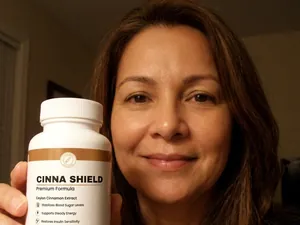
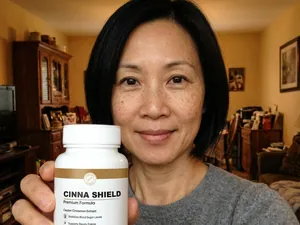
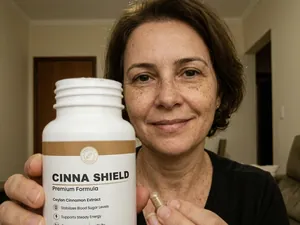
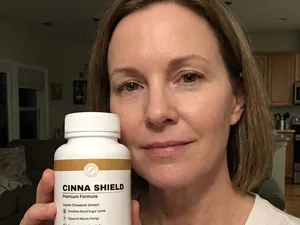
5.0★★★★★
My Doctor Asked What I Changed!
I was skeptical about another cinnamon supplement because I’d tried so many that did nothing. But my neighbor insisted this Ceylon one was different because it’s concentrated instead of powder. After 8 weeks, my doctor noticed my numbers were more stable and asked what I’d changed. I told him about the Ceylon cinnamon and he said whatever I’m doing, keep it up. No stomach issues like the other brands gave me either.
 Margaret R.✓ Verified Customer
5.0★★★★★
The First Thing That Works
I’ve thrown away so much money on powders, gummies, and sugar support blends that made big promises but never delivered. Nothing ever stuck and I just kept feeling more frustrated. Cinna Shield was different from the start — one capsule a day actually gave me the steady energy I’d been missing for years. My focus is sharper, I don’t hit the wall in the afternoons, and I finally feel consistent. It’s the first product I can honestly say has changed my daily routine.
 Michael T.✓ Verified Customer
Individual results may vary*
Who Should Switch, and Who Shouldn’t Bother
Not everyone reading this needs to change anything. Here is the honest split.
- You take cinnamon every day for your blood sugar. Powder or capsules, it doesn’t matter. Daily is the word that matters.
- Your bottle doesn’t say “Ceylon.” Then it’s cassia, and you’ve been over the frequency line for a while.
- You’ve tried cinnamon and felt nothing. You took the wrong plant at the wrong dose. That’s not a verdict on cinnamon.
- You’d rather take one thing correctly than three things on trust.
- You only use cinnamon in baking now and then. Cassia is fine for that. Nobody is telling you to throw out the pie.
- You want a result by next week. Real change to a daily routine shows up over weeks, not days.
- You’ve never had your numbers checked. Start there, even if you buy nothing.

Switch for 90 Days. If You Feel Nothing, It’s Free.
The company knows most people have already been burned by a cinnamon capsule once. So they take the risk off you.
Make the switch for 90 full days. Use the bottles.
Watch for the early signs: less of the after-lunch slump, steadier energy through the afternoon, mornings that feel more even, and none of the heartburn the old capsules gave you.
If after 90 days you don’t feel a difference, send their team an email and ask for your money back. Empty bottles. No questions.
You keep the result or you keep the money. The only thing you can’t do is keep taking the wrong plant every morning.
Before Your Next Spoonful
Answer six quick questions: your age, what your mornings look like, how long this has been going on, and what you’ve already tried.
You’ll see whether the switch matches your pattern. If it does, the price and the complete package appear in the result.
Under a minute.
Then put the old jar where you keep the baking things, and leave it there.
See If I Qualify to Switch →Six questions. Under a minute. 90-day guarantee.
Comments
Lorraine Pike
I’ve been taking two of the Costco cinnamon capsules every morning for three years. Just read the back. It says “cinnamon bark.” That’s it.
Like · Reply · 8 · 33 min
Harold Jensen
My doctor mentioned coumarin last year and I didn’t understand what she meant until now.
Like · Reply · 5 · 1 h
Bev Castellano
So the pie is fine but the daily coffee spoon isn’t. Got it. That’s exactly the opposite of what I assumed.
Like · Reply · 6 · 1 h
Nancy Ruiz
Same here, Bev. I thought more was better.
Like · Reply · 3 · 48 min
Frank Oduya
Switched three weeks ago after reading this. No heartburn, which the old capsules gave me every single time.
Like · Reply · 7 · 2 h
Patti Lund
Ordered. The six questions took me about a minute.
Like · Reply · 4 · 3 h
Frank Oduya
Mine came in five days, Patti.
Like · Reply · 2 · 2 h
Carol Maes
Sending this to my husband, who takes “Saigon cinnamon” because he thought it was the premium one.
Like · Reply · 5 · 4 h